
Tips
Cash, cards and the won: money in Korea
Ni EASTORY2 minutong basahin
Where cards fail, which ATMs to trust, and why nobody wants a tip.
Korea runs on cards, but it is not quite cashless yet. Here is how to arrive with the right mix and avoid paying fees twice.
The won at a glance
Notes come in 1,000, 5,000, 10,000 and 50,000 won; coins in 10, 50, 100 and 500. A rough rule for 2026: 10,000 won is a little over seven US dollars, so a bowl of noodles is 8,000–12,000 won and a subway ride is under 2,000. Prices include tax and there is no tipping — not in restaurants, not in taxis, not in hotels. Leaving money on the table usually earns a chase down the street to return it.
Cards work almost everywhere
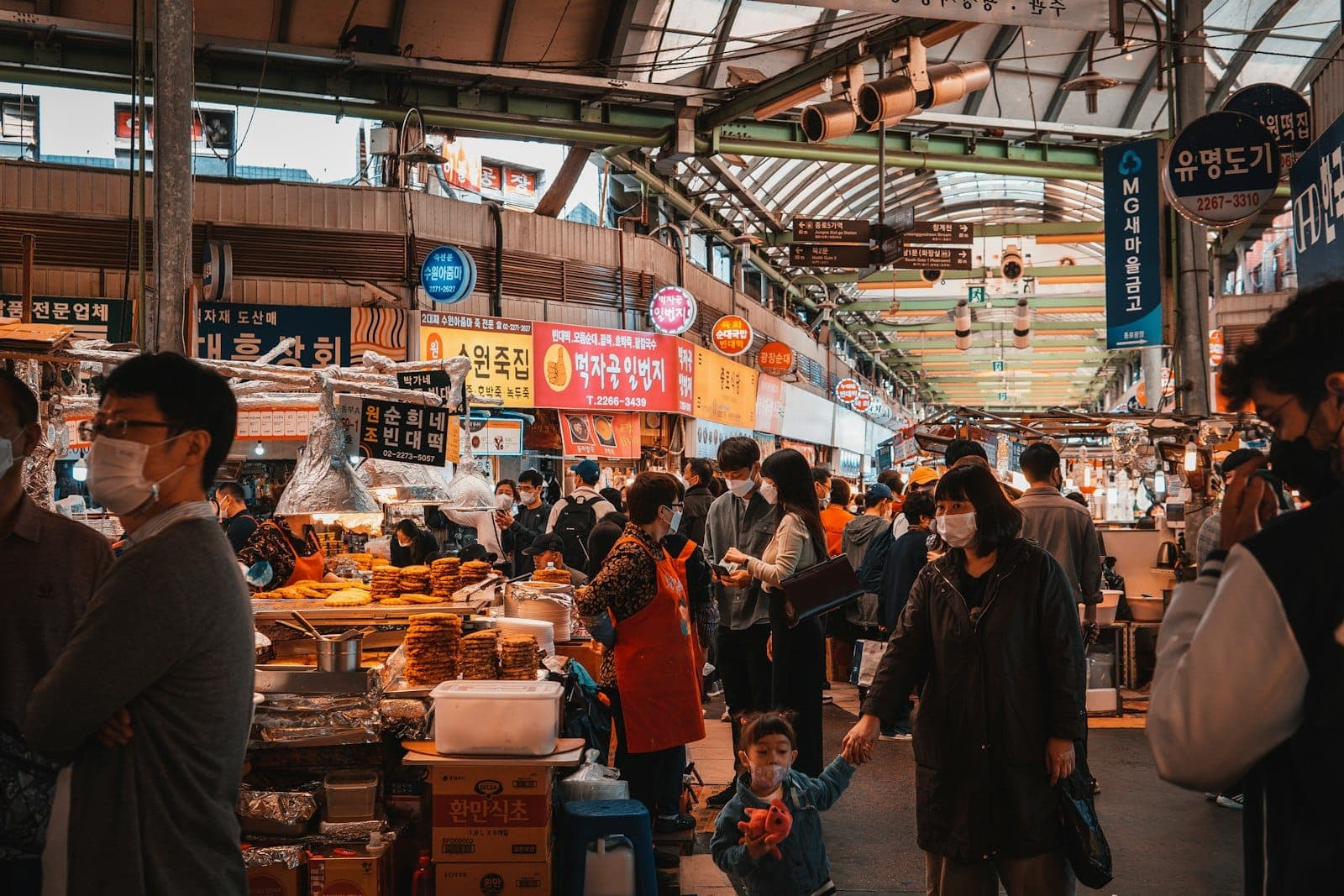
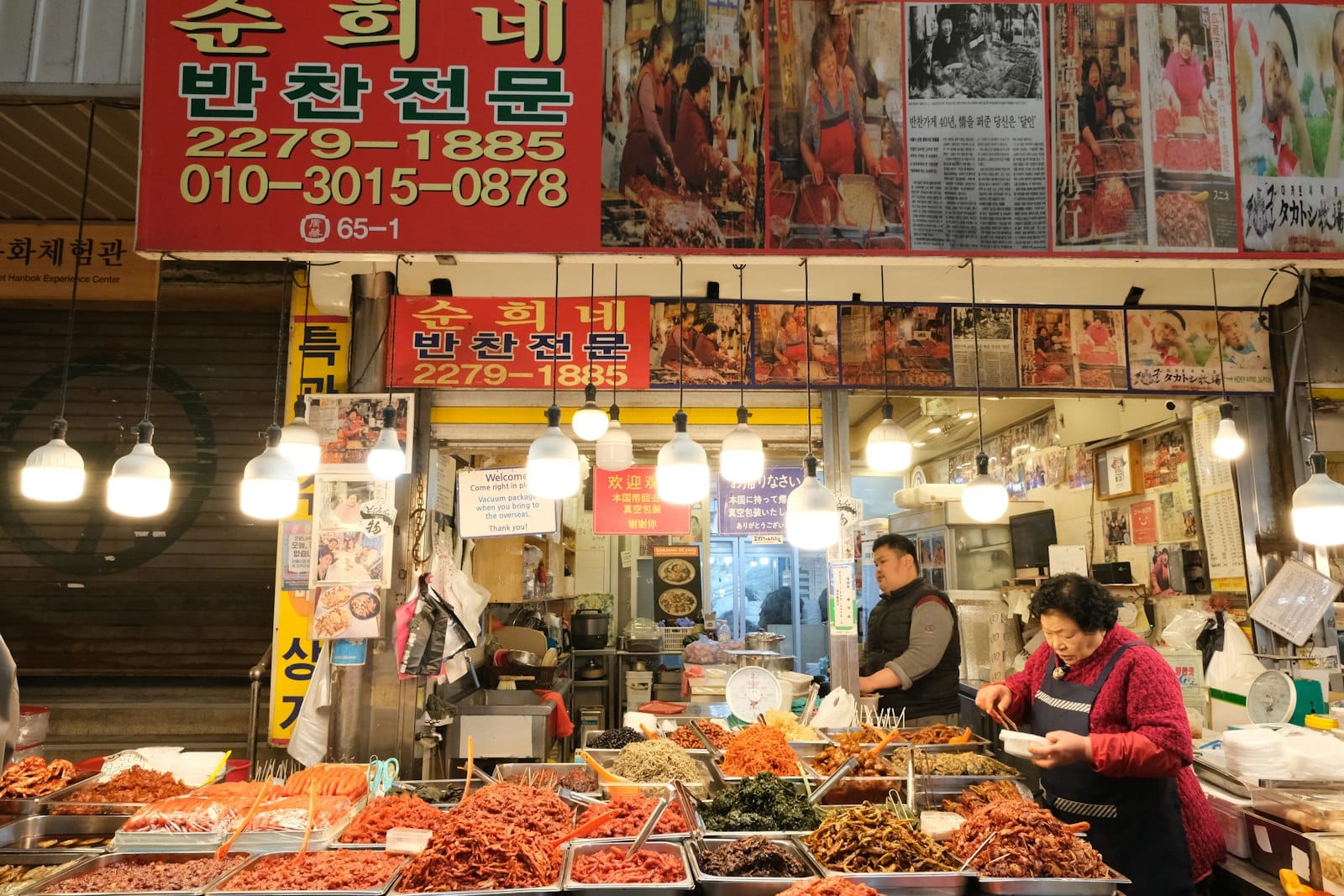
Visa and Mastercard are accepted in restaurants, cafés, convenience stores, taxis and most market stalls that have a card reader. Amex is patchier. Contactless is spreading but many terminals still want the chip inserted, so keep the physical card with you rather than relying on your phone. Choose to be charged in won, never in your home currency, when the terminal asks.
When you need cash
Small market stalls, temple entrances, some street food and the T-money top-up machines are cash-only. Withdraw from ATMs marked "Global" at major banks (KB, Shinhan, Woori) rather than the ones in convenience stores, which add a fee. Exchanging cash at the licensed changers around Myeongdong beats the airport rate by a noticeable margin.
Tax refunds
Shops showing a "Tax Free" sign refund the VAT on purchases over 15,000 won, often instantly at the till if you show your passport. For larger items, keep the receipt and claim at the airport kiosks before security.
Magbasa pa
2 minutong basahin
T-money, taxis and the last train: getting around Seoul
One card, two apps and a midnight deadline — the practical version of Seoul transport.
Basahin
2 minutong basahin
Jeong, and why your guide keeps feeding you
The untranslatable feeling behind the extra side dish, the second helping and the question "have you eaten?"
Basahin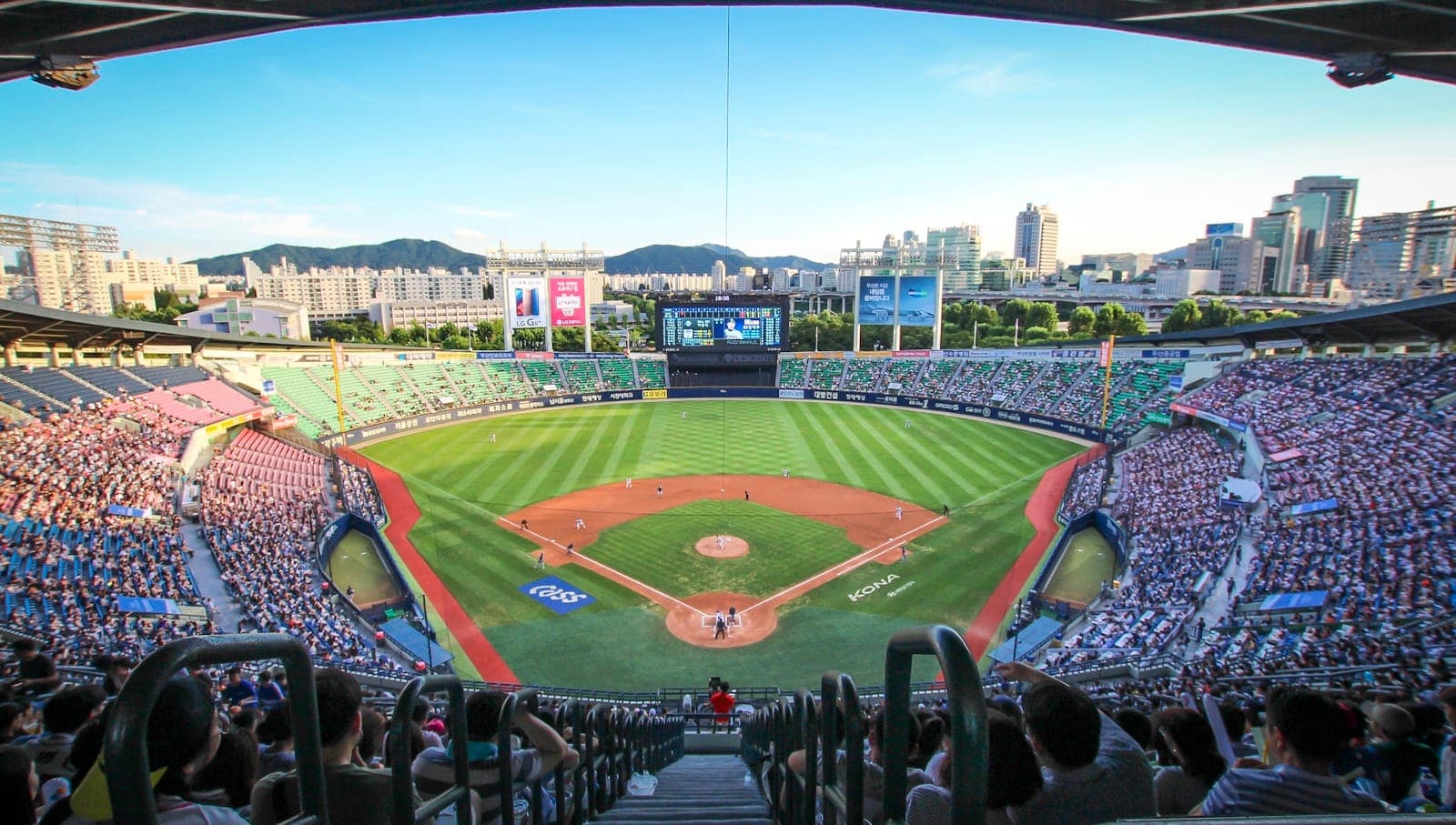
2 minutong basahin
Chimaek, chants and the seventh-inning stretch: how to behave at a KBO game
Korean baseball is a three-hour party with a game attached — here is how to join in without looking lost.
Basahin