
Budaya
Jeong, and why your guide keeps feeding you
Oleh EASTORY2 minit bacaan
The untranslatable feeling behind the extra side dish, the second helping and the question "have you eaten?"
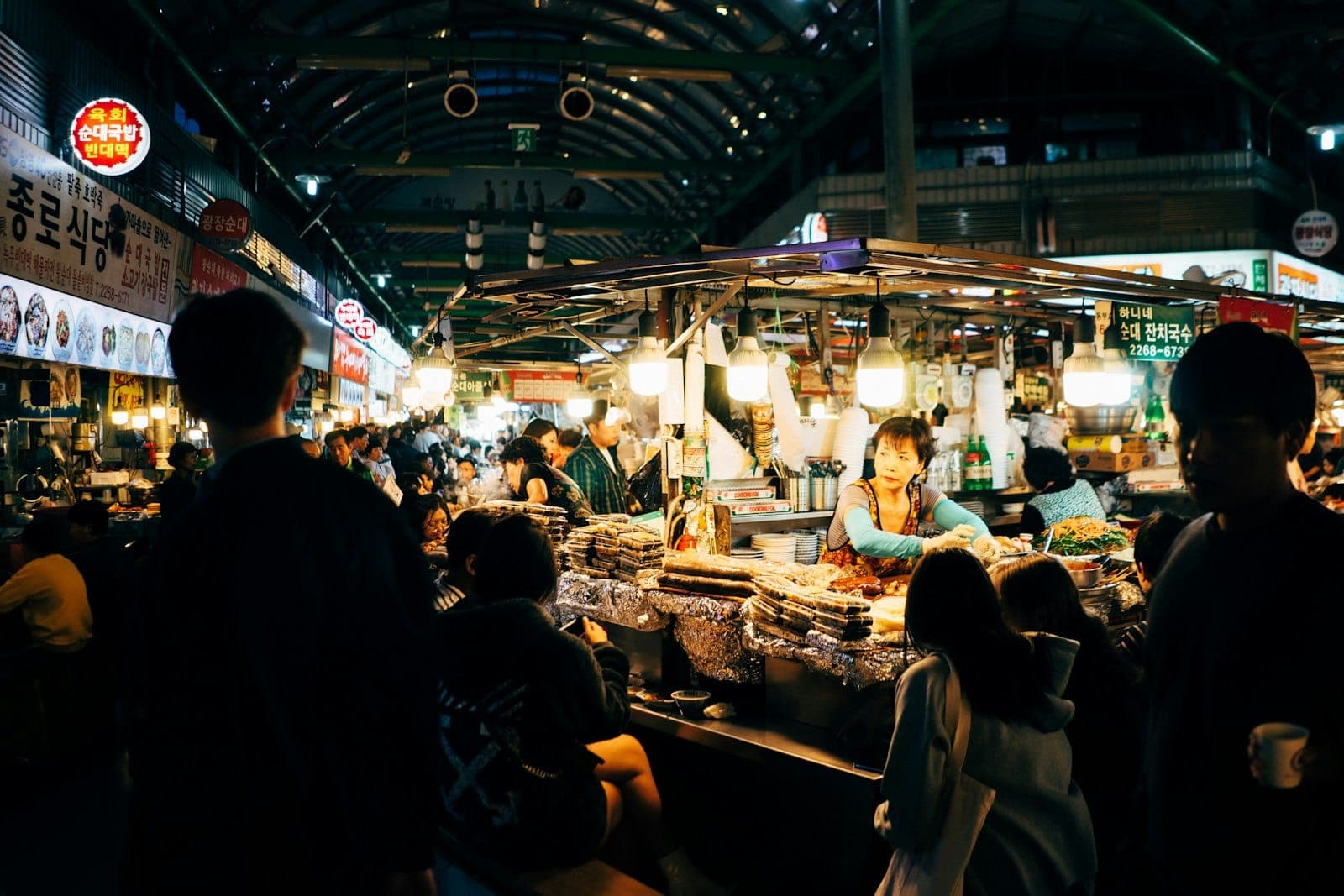
Somewhere on your first day in Korea a stranger will feed you. A market grandmother slides an extra pancake onto your plate, a shop owner presses a yoghurt drink into your hand, your guide orders one more dish than the table can hold. This is jeong, and once you notice it you will see it everywhere.
What the word means
Jeong (정) is the warmth that builds up between people who share time — affection, loyalty and obligation in one word that English does not have. It is why "Have you eaten?" works as a greeting, and why refusing food can land harder than refusing a favour. Feeding someone is the plainest way to say you matter to me.
How to receive it
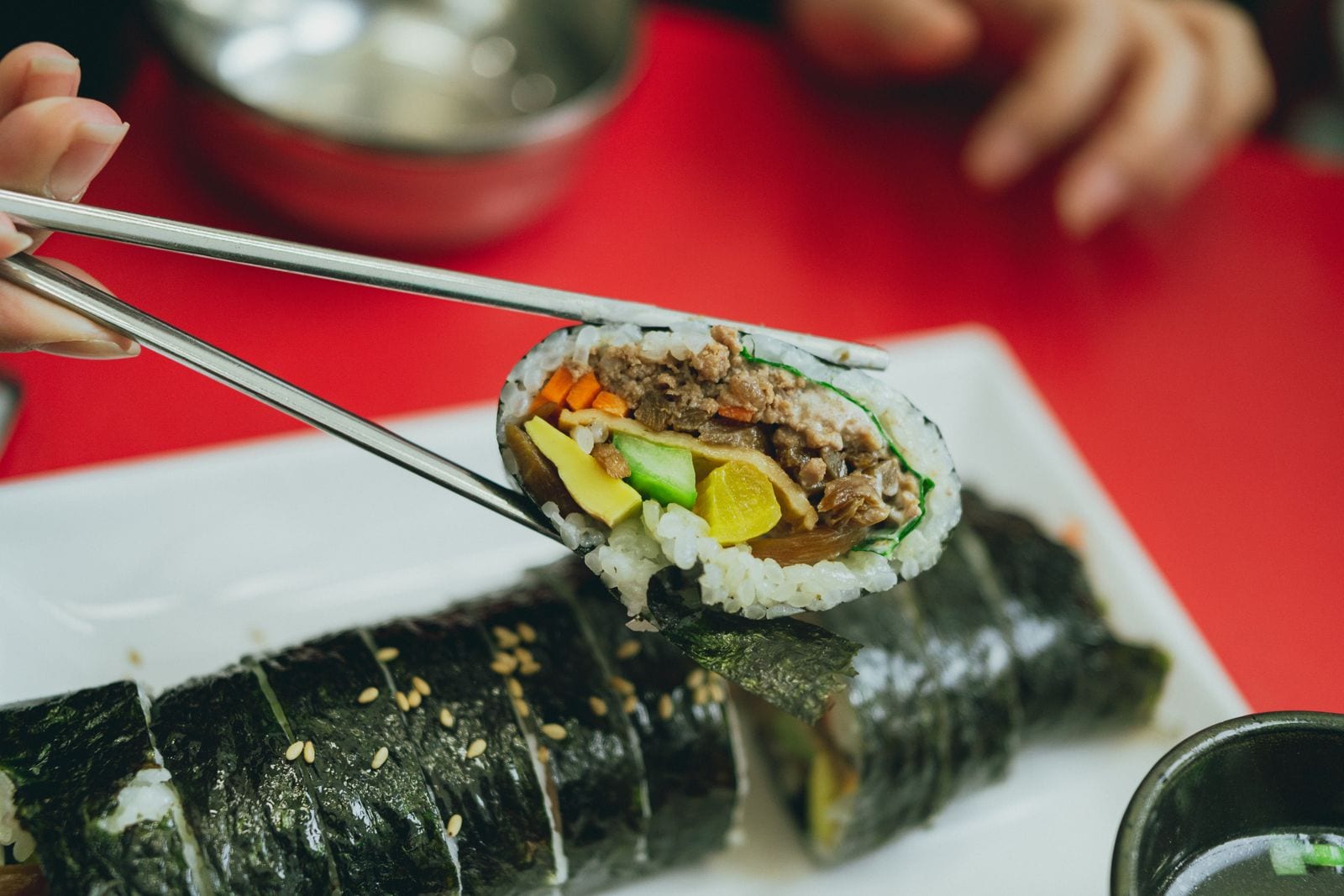
You do not have to finish everything: take a little of what is offered, say jal meokgesseumnida ("I will eat well") before you start and jal meogeosseumnida ("I ate well") when you finish. A polite first refusal is fine, but a second push means yes — accept.
Service
Free extras at a restaurant are called "service" (seobiseu): a bottle of cola, a plate of fruit, a side dish you did not order. Say thank you; trying to pay for them would embarrass the owner.
Giving it back
Jeong flows both ways, and small gestures count. Bring fruit or a bag of snacks when you are invited somewhere, offer to pay once and then let the host win, and go back to the same stall twice — being remembered is the whole game. By the end of the week you will have a favourite ajumma, and she will have saved you the good pieces.
Baca lagi

2 minit bacaan
Chimaek, chants and the seventh-inning stretch: how to behave at a KBO game
Korean baseball is a three-hour party with a game attached — here is how to join in without looking lost.
Baca
2 minit bacaan
Cash, cards and the won: money in Korea
Where cards fail, which ATMs to trust, and why nobody wants a tip.
Baca
2 minit bacaan
T-money, taxis and the last train: getting around Seoul
One card, two apps and a midnight deadline — the practical version of Seoul transport.
Baca